


Words With Friends Word Game
4.1144.44K Reviews
App Specs
- Version
- 61.01.01
- Updated On
- License
- Free
- Downloads
- 10,000,000+
- Developer
- Zynga
- Categories
- Word
- Platform
- Android, iOS
Screenshots
 Analysis by AppCompare
I tend to enjoy word games most when they leave room to think rather than demanding constant attention. Words With Friends fits that rhythm: it turns letter tiles into a social contest where a short move can be satisfying, but planning ahead matters too. I would recommend it to someone who likes vocabulary puzzles and friendly rivalry, especially if they have a friend who is happy to play at an unhurried pace.
This is a free word game from Zynga, rated for Everyone, with optional in-app purchases priced from $0.99 to $149.99 per item. That range is worth noticing before you start: the game can be approached as a free experience, while purchases are available for people who choose to spend. The listing’s 4.1 average across around 519,000 ratings and more than 10 million installs suggest a broad audience, but those figures alone do not tell me whether a particular match will feel fair or enjoyable.
What the purchase context tells you
The purchase range is the clearest practical point for anyone weighing cost. I would begin without buying anything and see whether the ordinary turn-by-turn play suits me first. Because the listed prices span a wide range, it is sensible to check each item carefully before confirming a purchase rather than assuming every option costs the same. The game was released on November 7, 2017, and its current version is 50.00.03; it supports Android 6.0 and later.
That is enough to set expectations about access and spending, but not enough to make claims about the contents of individual purchases. I would not treat a purchase as necessary to enjoy a word match, nor assume it changes the contest in a particular way. If you are choosing an app for a child, the Everyone age rating is useful context, while the availability of paid items is still something a parent may want to discuss or manage.
Getting Started
Diving into the Words With Friends experience is as easy as pie. Available for both Android and iOS, the app is a breeze to download and set up. Once you're in, you can link your social media accounts to find friends or simply play with random opponents. The interface is user-friendly, and the vibrant colors make the game visually appealing without being overwhelming.
Gameplay Mechanics
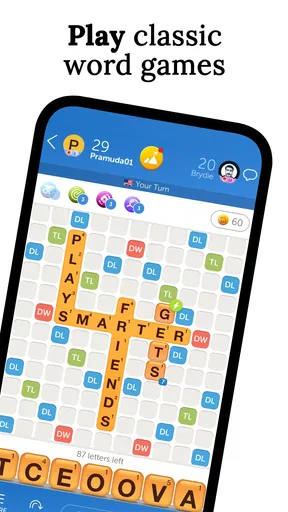
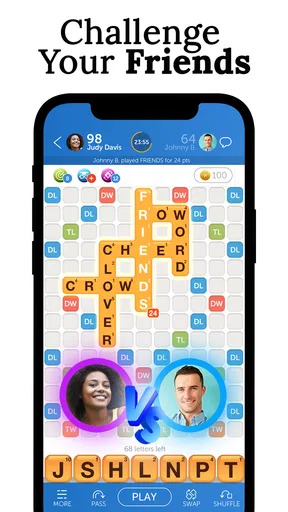
The core of the game is simple yet engrossing. You’re given a set of seven tiles, each with a letter, and your goal is to create words on the board, connecting to existing words just like in Scrabble. The catch? Each letter has a different point value, and maximizing your score requires strategic placement on special tiles like "Double Word" or "Triple Letter." Trust me, landing a high-value word on a bonus tile can be incredibly satisfying.
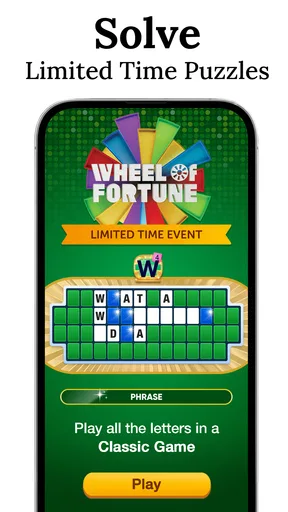
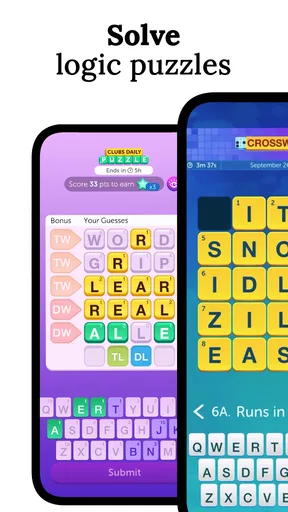
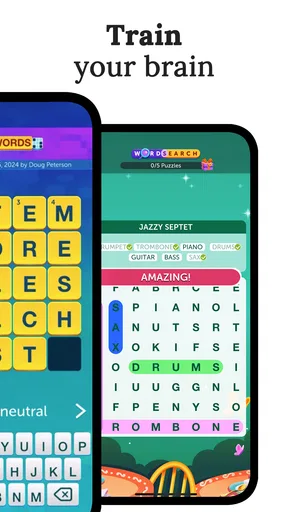
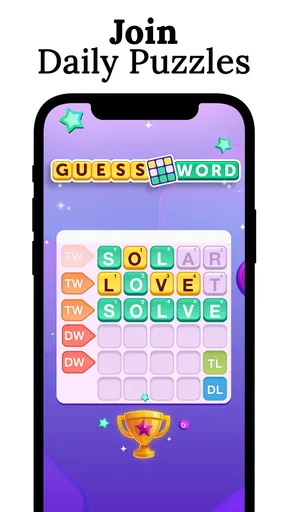
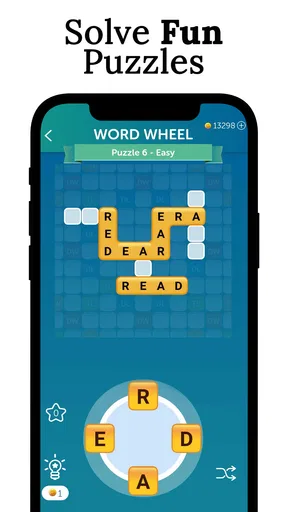
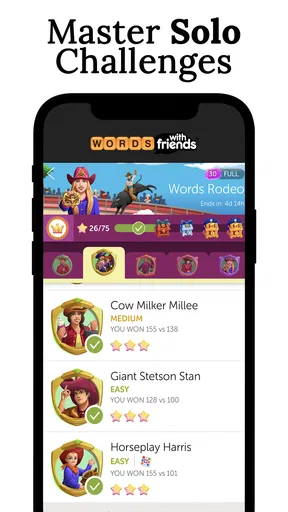
The app also offers several modes to keep things interesting. You can play solo against the AI, challenge friends in classic mode, or even participate in themed events and daily challenges. The variety ensures that you never get bored, and you’ll find yourself coming back for more.
Worth Reading Before You Choose

EA SPORTS FC Mobile 26 Is a Bigger Football Game, but It Takes Time

Flipboard Shows What News Apps Must Do Beyond the Feed

Switching to Android Auto Means Rethinking Your Driving Routine

Google Calendar Makes a Crowded Week Easier to Manage

Ludo King Makes the Most of the Minutes Between Plans

Baby Panda World Brings Quick Play to Modern Phones, but Its Game Library Feels Busy
Making turns fit real life
For me, the asynchronous feel is the most useful way to fit a match into a busy day. I can consider a board while waiting for a kettle to boil, play a move, then put my phone away instead of needing a long uninterrupted session. A friend who is commuting, working irregular hours, or living in another time zone can still be a good opponent because each person can take a turn when convenient. The trade-off is obvious: if you want a quick head-to-head game with a definite finish, a turn-based match may feel slow.
A small habit that improves my decisions is to check the whole board before settling on the first legal word I spot. I look for the best bonus-square placement, but also notice what premium space my move might leave open for the other player. A high-scoring play is not automatically the best play if it creates an easy reply. This makes the game feel less like a vocabulary test and more like a compact planning puzzle.
Features That Stand Out
One of the best things about Words With Friends is its social aspect. You can chat with opponents, send stickers, and even nudge those friends who take forever to play their turn. The app fosters a sense of community and friendly competition.
Another neat feature is the in-game dictionary. It’s a lifesaver for those moments when you’re pondering whether "syzygy" is a valid play. Plus, it helps you learn new words, which is a fun bonus.
Learning without turning every match into homework
I find the dictionary most useful when I treat it as a prompt to investigate, not as a shortcut to memorize a score-maximizing list. When an unfamiliar word appears, I can pause to understand it and then start recognizing the letter patterns that make awkward racks easier to use. That is a more satisfying payoff than simply winning one turn. If your main goal is formal vocabulary study, though, a dedicated learning tool will give you a more structured experience; this game teaches incidentally through play.
Social features are a plus when you already know the person on the other side, but chatting with an opponent is optional in spirit even if it is part of the app’s social design. I would keep conversation light and avoid sharing personal details with people I do not know. For a family match, agreeing on a friendly pace and whether to use nudges can prevent a casual game from feeling like an obligation.
The game also offers an in-depth stats section where you can track your progress, see win/loss records, and analyze your longest word played. For the competitive souls out there, this is pure gold.
Progress without unnecessary pressure
Stats can make improvement tangible, but I would use them as a record of my own habits rather than a verdict on whether I am good at the game. A long word is memorable; it does not necessarily mean I made the smartest overall move. Reviewing a match with that in mind helps me focus on choices I can change, such as overlooking a useful short word or leaving a bonus square exposed.
For a relaxed player, the main pressure is less about a clock and more about waiting, reminders, and the temptation to check the board repeatedly. I would turn a match into a small routine—one or two turns when I have a spare moment—rather than letting it interrupt work or time with other people. If the social nudges start to feel persistent, setting expectations with friends is more helpful than treating every delayed turn as a challenge.
Competitive fairness and the alternatives
Against the usual alternatives, this game’s strongest distinction is the combination of a familiar crossword-style board, direct matches with people, chat, and a record of play. A traditional paper word board game works better when everyone is in the same room and wants to talk through a match together. A solo word puzzle is better when you want a clear, self-contained challenge without waiting on another person. I would choose this app when the opponent and the ongoing match are part of the fun.
On fairness, I can describe the purchase facts but not infer how each paid item affects a match: purchases are optional and individually listed between $0.99 and $149.99. The available information does not establish whether a specific item changes competitive play, so I would not promise that spending is irrelevant or claim that paying provides an advantage. My practical approach is to start free, compare how matches feel, and decide from actual experience rather than purchasing on the assumption that it will improve my chances.
Where I would draw the line
I would skip this if waiting for someone else to respond frustrates you, if you dislike social prompts, or if you want a strictly timed puzzle with a guaranteed endpoint. It is also not my first choice for a quiet, offline-style vocabulary exercise: the appeal here comes from placing words on a shared board and reacting to another player. Someone who enjoys studying word lists may get more direct value from a dedicated vocabulary app, while a group gathered around a table may prefer a physical board and face-to-face conversation.
There are a few practical questions I would answer before settling in. Can I play without spending? The game is free, and purchases are optional. Can I play alone? The app offers solo play against AI as well as matches with people. Is it suitable for a child? Its age rating is Everyone, though families should still consider social interaction and paid items. Will it work on an older Android device? The minimum listed system requirement is Android 6.0, so checking the device version before downloading is a sensible first step.
What I would check before trusting a match
For a fair-feeling game, I would agree with a friend on the kind of match we both want: leisurely turns, friendly chat, or a more competitive focus. The board rewards careful placement, but the app’s social layer means people can bring different expectations. A casual player may value a funny word or an interesting exchange, while a score-focused opponent may study each placement. Neither style is wrong; mismatched expectations are what can make a friendly game feel tense.
I would also separate the app’s visible facts from assumptions. Its free entry point and optional purchase range are clear, but the exact effect of individual purchases on competition is not established here. That is the key uncertainty for anyone who cares about equal conditions. I would avoid spending until I understand the specific item being offered and have decided that its value is worthwhile to me, not because I feel pushed to keep up with an opponent.
What Keeps Me Coming Back
The thrill of outsmarting an opponent with a clever word placement is unmatched. Plus, the educational value cannot be overstated. I've learned so many obscure words that I’ve actually started using in real life (who knew "za" was a thing?).
What really keeps me hooked, though, is the ever-evolving nature of the game. With regular updates and new content, Words With Friends stays fresh and exciting. The themed challenges and seasonal events keep me on my toes, offering new ways to enjoy the game.
Final Thoughts
If you're a word nerd like me, Words With Friends is a must-have. It’s a perfect mix of fun, strategy, and learning. Whether you want a quick game on your commute or a long battle of wits, this app delivers in spades. So, download it, invite your friends, and let the word wars begin. You'll be surprised at how quickly time flies when you're having this much fun!
My trust verdict is positive with a sensible boundary: I like the free way into a familiar word-board contest, and I can see why its social play suits people who enjoy a match that unfolds gradually. I would recommend trying it without purchases first, especially with a friend whose pace and idea of competition match yours. I would not make a stronger claim about purchase fairness than the known facts support. If you want an unhurried vocabulary game with room for tactical choices, it is an easy one to try; if you need instant rounds, no social layer, or fully clear evidence about how every paid item affects competition, another kind of word game may be a better fit.
Pros
- Engaging multiplayer experience
- Extensive dictionary support
- Daily challenges add variety
- User-friendly interface
- Strong community aspect
Cons
- In-app ads can be intrusive
- Requires constant internet connection
- Occasional bugs disrupt gameplay
- Limited features in free version
- Notifications can be overwhelming
FAQs for Words With Friends Word Game
What is Words With Friends and how does it differ from Scrabble?
Words With Friends is a popular word game that resembles Scrabble. Players take turns forming words on a game board using letter tiles with different point values. While both games are similar, Words With Friends features a slightly different board layout and tile distribution, providing a unique challenge even for seasoned Scrabble players.
Is Words With Friends free to play, and are there any in-app purchases?
Yes, Words With Friends is free to download and play. However, it offers in-app purchases that can enhance the gaming experience. These purchases include items like ad-free gameplay, power-ups, and custom tile styles. Players can enjoy the game without spending money, but these extras can provide additional enjoyment and convenience.
Can I play Words With Friends offline, or is an internet connection required?
Words With Friends primarily requires an internet connection for multiplayer matches, as it is designed to be played with friends or random opponents online. However, there is a solo challenge mode where players can practice against AI opponents without needing an internet connection, making it versatile for both online and offline play.
How can I connect with friends to play Words With Friends together?
Connecting with friends is easy in Words With Friends. You can link the game to your Facebook account to automatically find and challenge friends who also play. Alternatively, you can search for friends by username or email. The game also allows you to invite friends via social media or email to join you in a match.
Are there any strategies or tips for improving my skills in Words With Friends?
Improving in Words With Friends involves expanding your vocabulary and learning to spot high-scoring opportunities. Focus on using high-value letters like 'Q' or 'Z' effectively and utilize bonus tiles on the board to maximize points. Regularly playing and challenging yourself with tougher opponents can also help sharpen your skills over time.


